All businesses depend on water, whether you're using it to power your operations or simply for your staff and customers.
With our changing climate, using water wisely isn't just about protecting our environment—it’s also about protecting your bottom line. By making a few small changes, you can lower your water bills and reduce the energy needed to heat water, all without affecting your day-to-day work.

Tap into wasted water
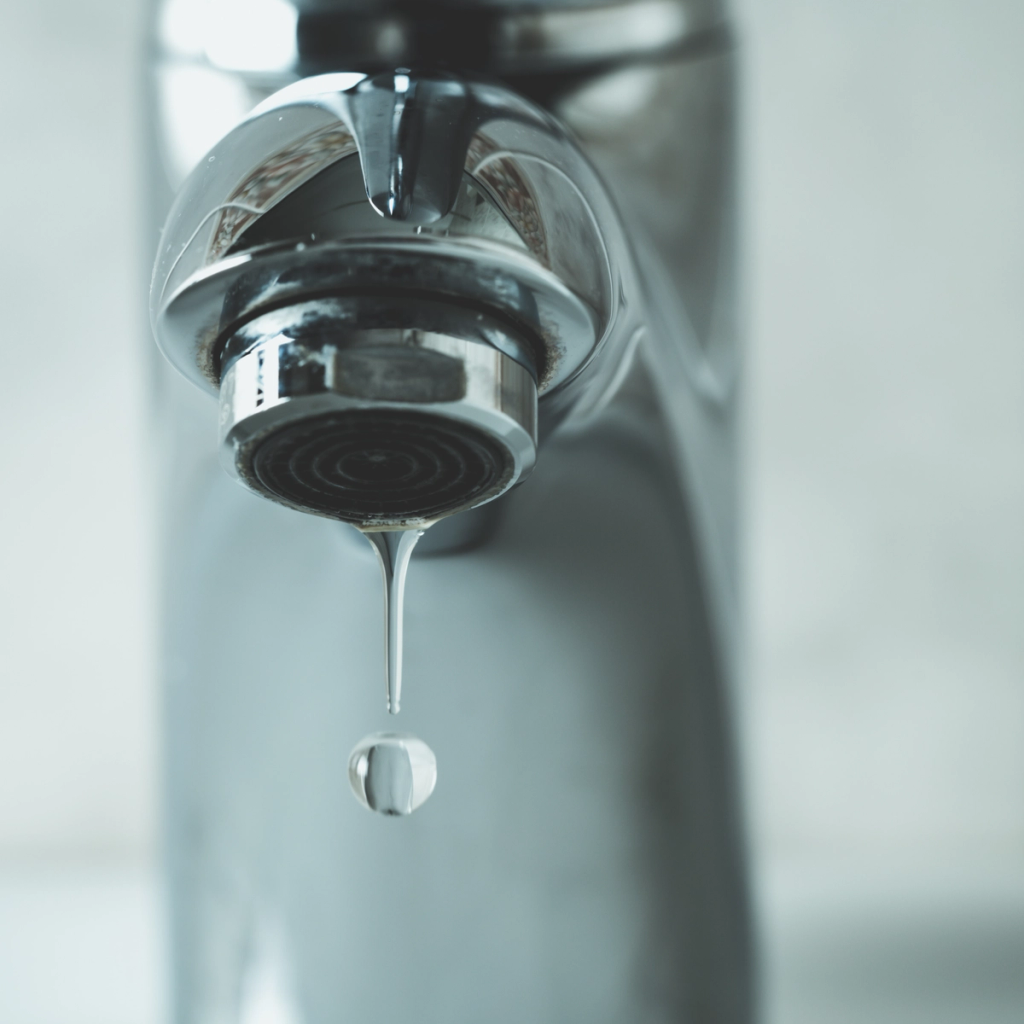
A dripping tap might not seem like much, but it can waste up to 5,000 litres of water a year! Fixing a dripping tap is a quick and easy way to save water in your business.
Sneaky leaky loos
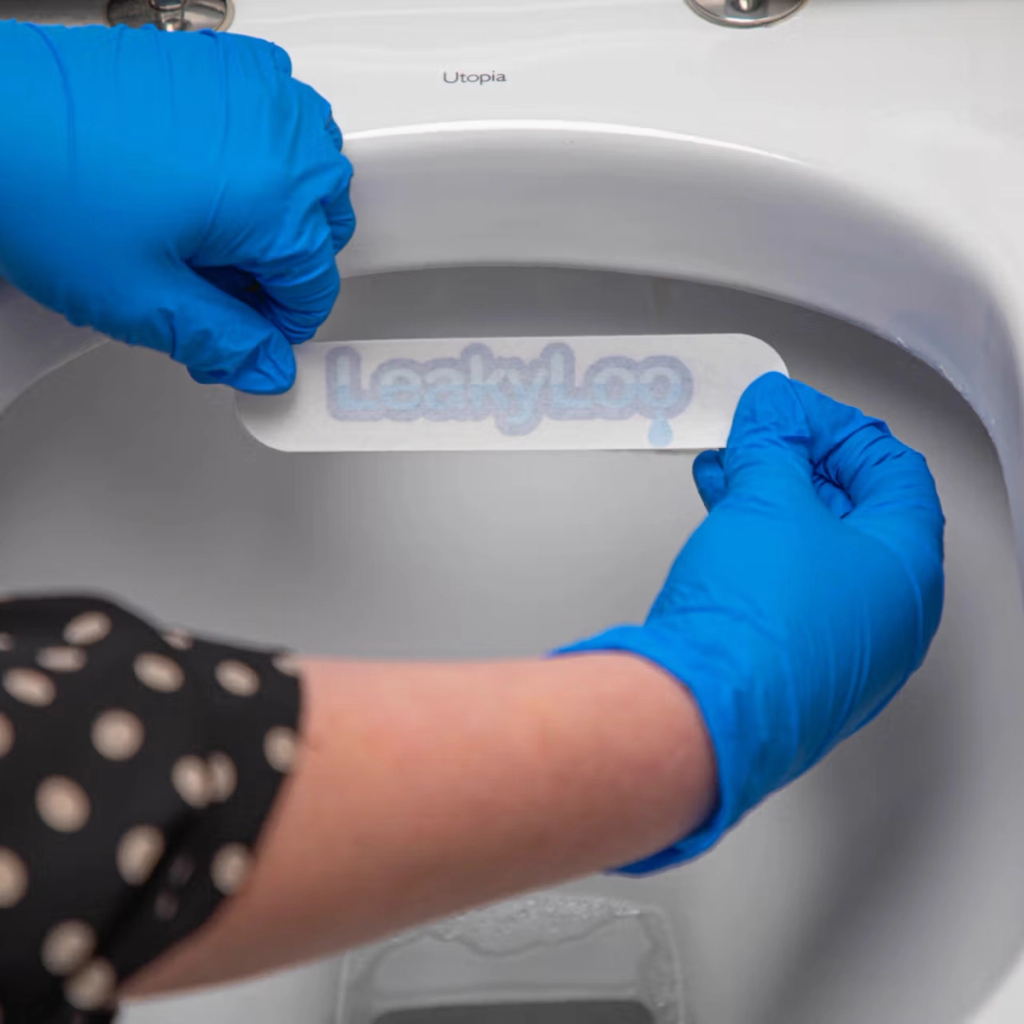
A sneaky leaky loo (or two!) can be costing you as much as 4 baths of water a day each. Order FREE LeakyLoo™ detection strips from us here, to check if your loos might have a leak.

Implement a water-saving policy
Encourage staff to think about how much water they use at work. Simple changes like turning off taps fully and telling you about leaks will make a big difference.
Updates about your water supply
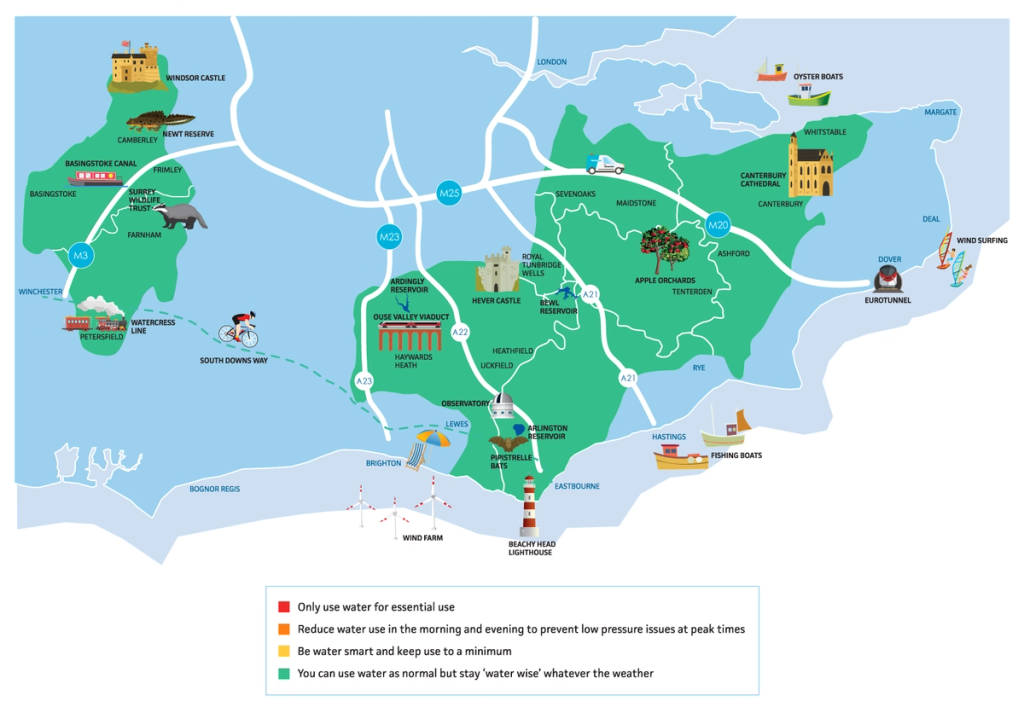
The amount of water that people use each day changes depending on the weather, which can impact businesses. We usually supply around 544 million litres of water a day. In the summer months, this can go up to over 600 million litres a day.
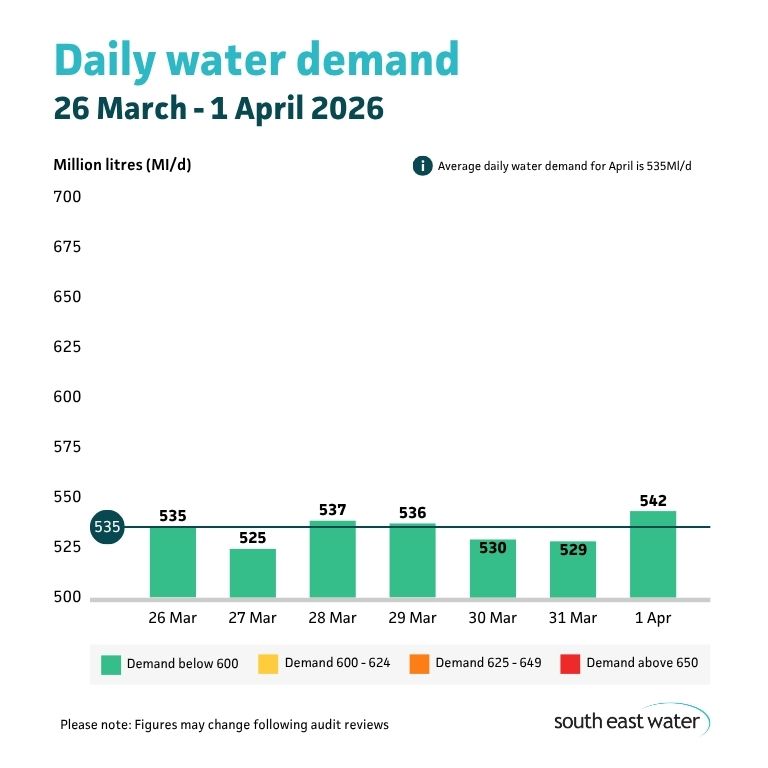
Why your help matters
As the flowers begin to bloom across the South East and temperatures start to climb, the transition into spring is the perfect time for your business to be water-smart. While the winter frost has thawed, the impact it leaves on infrastructure can be subtle but costly. Now is the ideal moment to ensure your site is running efficiently before the peak demands of summer arrive.
Why save water after a wet winter?
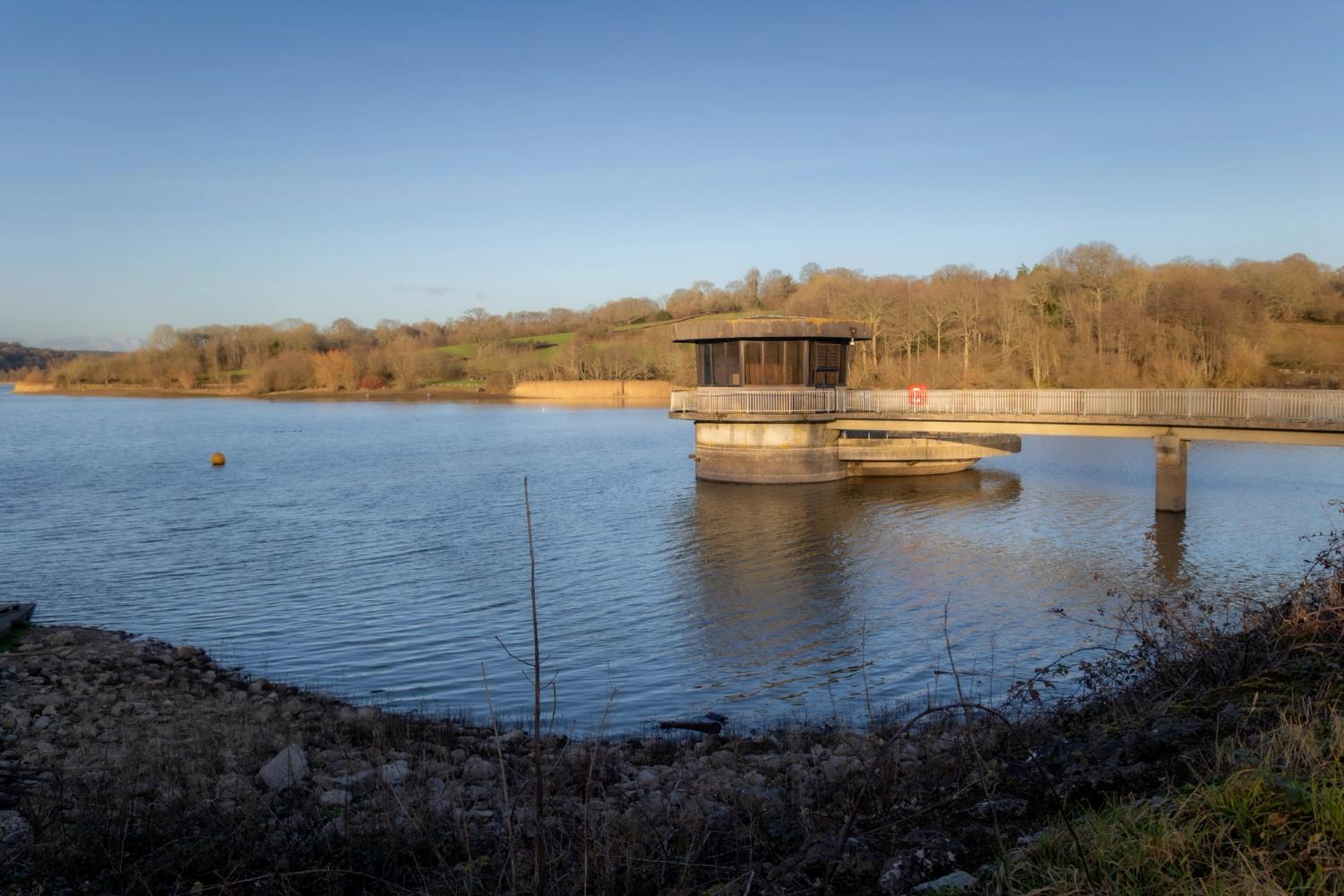
You might wonder why we are asking for continued efforts after a season of rain. The reality is that our groundwater levels and reservoirs require constant protection to remain resilient against increasingly unpredictable weather patterns. By reducing demand now, you help stabilise the network, ensuring we can keep the taps flowing for all businesses and communities as the weather warms up.
Spring-ready tips for your workplace:
- Audit for winter ‘freeze-thaw’ damage: Cold snaps can cause pipes to expand and crack. Check your washrooms, kitchens, and plant rooms for new drips. Reporting and repairing leaks early prevents "hidden" damage from becoming a major operational headache.
- The toilet tank test: A leaking loo is one of the most common sources of wasted water in commercial properties. Put a drop of food colouring in the cistern; if colour seeps into the bowl without flushing, you’re wasting hundreds of litres a day.
- Monitor out-of-hours use: If you have a large site, check your meter during a period of zero activity (such as a Sunday night or bank holiday). If the dial is turning, you likely have a subterranean leak that needs urgent attention.
- Smart spring irrigation: If your business has landscaped areas or green space, ensure irrigation timers are reset for the new season. Always water in the early morning or late evening to minimise evaporation and ensure every drop reaches the roots.
- Sweep, don’t hose: Prepare your storefronts, loading bays, or walkways for the new season using a broom or vacuum instead of a high-pressure hose. It’s an instant way to cut your daily consumption.
Managing our shared resource isn’t just a seasonal task - it’s a year-round commitment to ensuring our region stays resilient and our local environment.
What are we doing to save water?
Leakage reduction and infrastructure: We’re investing nearly £40 million annually into managing and reducing water leaks. To support this, we’ve increased the number of field teams dedicated to finding and fixing leaks, alongside technicians who proactively search the network for issues. These efforts resulted in over 18,000 network leak repairs last year - a 12 per cent increase over the three-year average - plus an additional 6,000 repairs on customer-side pipes. Furthermore, investments in new detection technology and digitised processes have improved network visibility and increased overall operational efficiency.
Smart meter rollout: Beginning in January 2026, we started upgrading meters across the network to prepare for smart meter technology. While this rollout will take time to complete, customers will be contacted directly when the upgrades reach their specific area. This technology is designed to ensure a sustainable water supply by allowing customers to measure their usage more easily and detect leaks earlier.
Strategic partnerships: We collaborate with various partners to conserve water at every level of the community:
- Agricultural support - We work with farmers to protect water quality and quantity at the source through initiatives like planting cover crops and installing rainwater harvesting systems.
- Customer savings - A long-standing partnership with Save Water Save Money(opens in a new tab) allows all customers to order free water-saving devices.
- Schools: A specialist company is currently offering local schools free water-saving visits, which include leak repairs, device installations, and efficiency reporting.