
Water is a critical, yet increasingly vulnerable, resource for businesses across the UK. With shifting climate patterns, hotter summers, and rising operational demands, relying solely on the mains water network carries hidden risks.
Alternative on-site water systems such as rainwater harvesting and greywater recycling enable businesses to establish a self-sufficient buffer. By capturing and reusing water that would otherwise run down the drain, you can significantly lower your environmental impact, cut utility costs, and protect your organisation from local supply disruptions.
While both supply non-potable water (water that is not safe for drinking or cooking), they are harvested from completely different sources:
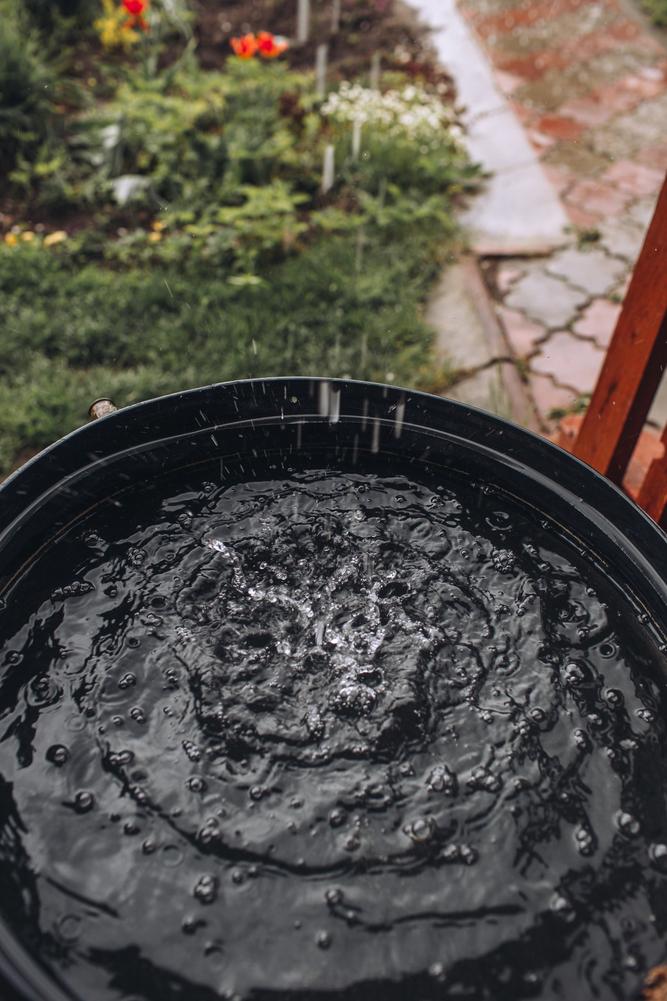
- Rainwater harvesting: Captures precipitation falling on roof spaces or hard surfaces. It is routed through filters and sediment traps into storage tanks. While highly dependent on weather patterns, it requires minimal treatment for basic, everyday tasks.
- Greywater recycling: Collects gently used wastewater from hand basins, showers, and washing machines. Once treated and filtered on-site, it is ready to be reused. Because its supply is driven by daily building occupancy rather than weather patterns, it acts as a highly reliable, consistent resource.
You cannot use untreated rainwater or greywater for drinking, cooking, or personal hygiene. However, they are perfect for high-volume, non-potable demands, including:
- Flushing toilets and urinals (often a business's highest daily water draw)
- Landscaping, green walls, and garden irrigation
- Vehicle washing, floor cleaning, and general grounds care
- Commercial laundry facilities
Yes. To protect public health and prevent contamination of the main drinking supply, water reuse systems in the UK are strictly regulated:
- Notification (Regulation 5): You must notify your local water undertaker (such as South East Water) before installing any rainwater or greywater reuse system.
- Backflow protection (Regulation 14): Any mains-water backup supply connected to your recycling system must have physical air-gaps (Type AA or AB) to ensure non-potable water can never flow backward into the public drinking supply. Reclaimed water is classified as a Fluid Category 5 risk (the highest hazard level).
- Pipework standards (BS EN 16941-1): To prevent accidental cross-connection, all non-potable system pipework must be clearly identifiable. In commercial settings, pipes must be color-coded green and black, and all external outlets must be permanently marked as "NOT DRINKING WATER".
A sudden water main burst or local supply failure can force a business to shut down instantly due to health, safety, and hygiene regulations (for example, if toilets cannot be flushed or hands cannot be washed).
- On-site storage tanks act as a reliable shock absorber. Having even 24 to 48 hours of stored water on-site ensures your business can remain open and operational during temporary local network outages.
- Stored rainwater is completely exempt from standard mains-water restrictions, such as Temporary Use Bans (hosepipe bans). This allows you to keep your commercial grounds green and your vehicles clean without violating local restrictions.
You must never use harvested rainwater, greywater, or recycled water for cooking, ingredient preparation, or washing dishes. Food safety regulations require "wholesome," potable mains water for anything that touches food or food-contact surfaces.
However, you can make highly effective reverse-swaps by reclaiming clean water from your kitchen processes for other non-potable tasks:
- What should we do with boiling and steaming water? Instead of pouring it down the drain, let pasta, potato, or vegetable boiling water cool down. This nutrient-rich water is excellent for watering ornamental plants on your premises.
- Can we capture water from ice machines? Yes. You can route the clean, cold purge-water (bleed-off) from commercial ice machines into a collection bucket and reuse it for floor mopping.
- How can we save water at the prep sink? Use a washing bowl to rinse vegetables rather than a running tap. That left-over rinse water can immediately be used to pre-soak dirty pots or water outdoor plants.
Keeping your premises looking professional does not require wasting precious drinking water. You can maintain beautiful grounds during hot dry spells by swapping your habits:
- Why should we switch to drip or trickle irrigation? Overhead sprinklers lose up to 50% of their water to evaporation and wind. Drip lines apply water directly to the soil root zone, where plants need it most. Additionally, during hosepipe bans, drip systems fitted with timers and pressure-reducing valves are often permitted where traditional sprinklers are banned.
- How does mulching help conserve water? Applying a 5 to 10 cm layer of organic mulch (such as woodchips or bark) over garden beds traps moisture in the soil. This simple step can reduce your garden watering needs by up to 70%.
- Should we change the types of plants we grow? Yes. Swapping thirsty, non-native bedding plants for drought-resistant, native UK species is highly effective. Once established, these native plants require little to no supplemental watering to thrive.
If you’re looking for more water-saving tips and tricks, we’ve got more resources designed to ensure your business is water efficient.