
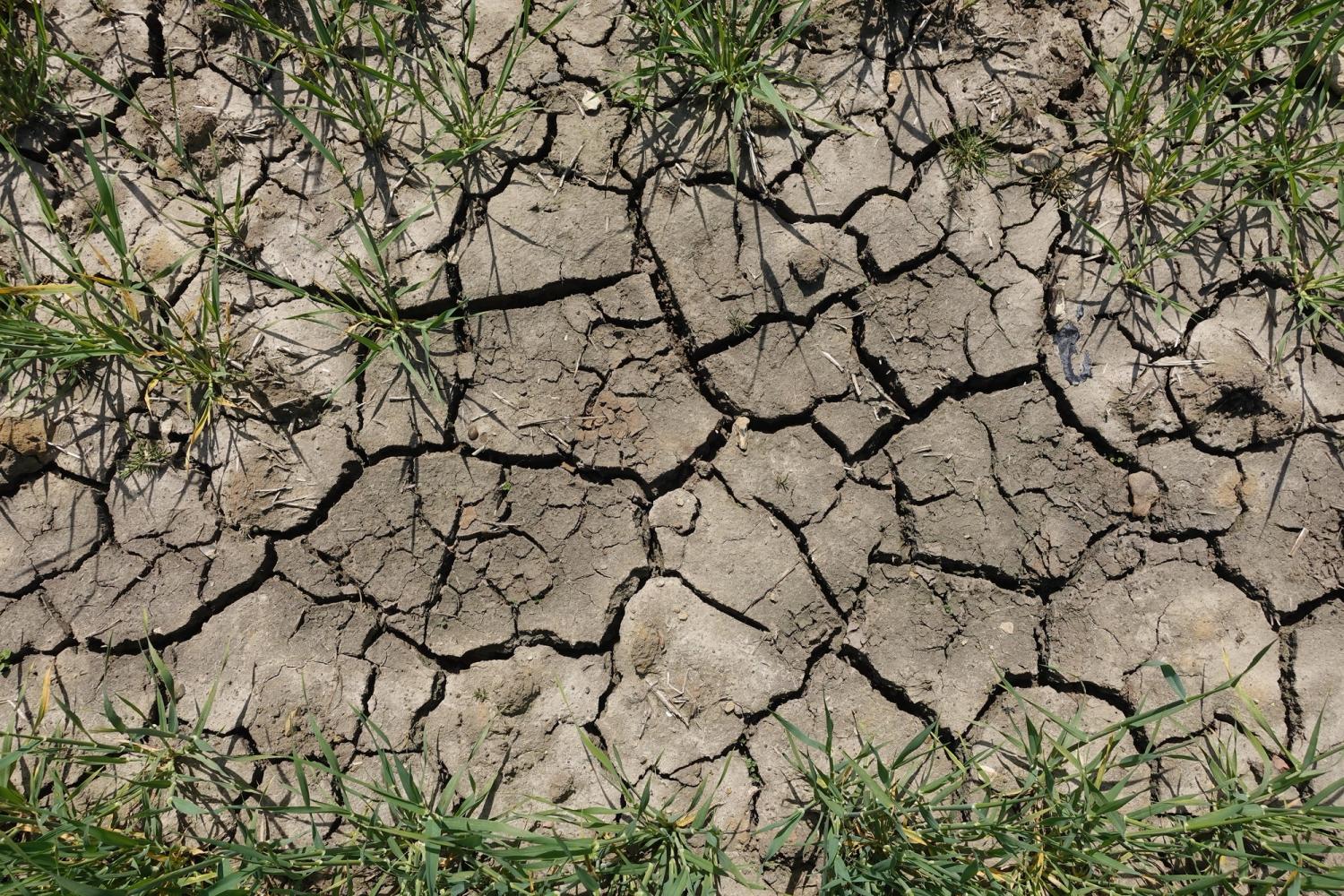
The South East of England is facing exceptional weather conditions. With prolonged periods of very hot weather and record-breaking temperatures, demand for water has skyrocketed across our region. This surge is putting a significant strain on our network, making it harder to maintain water pressure and keep our local rivers and reservoirs at healthy levels.
Climate change is one of our greatest ongoing challenges. To ensure a sustainable and stable supply for everyone, we need our business community to step up. We are asking all businesses to use water extra wisely, proactively reduce their daily demand, and delay any non-essential water-intensive tasks.
By building water resilience into your operations today, you don't just protect the local environment - you protect your business from future disruption.
Why water resilience matters right now

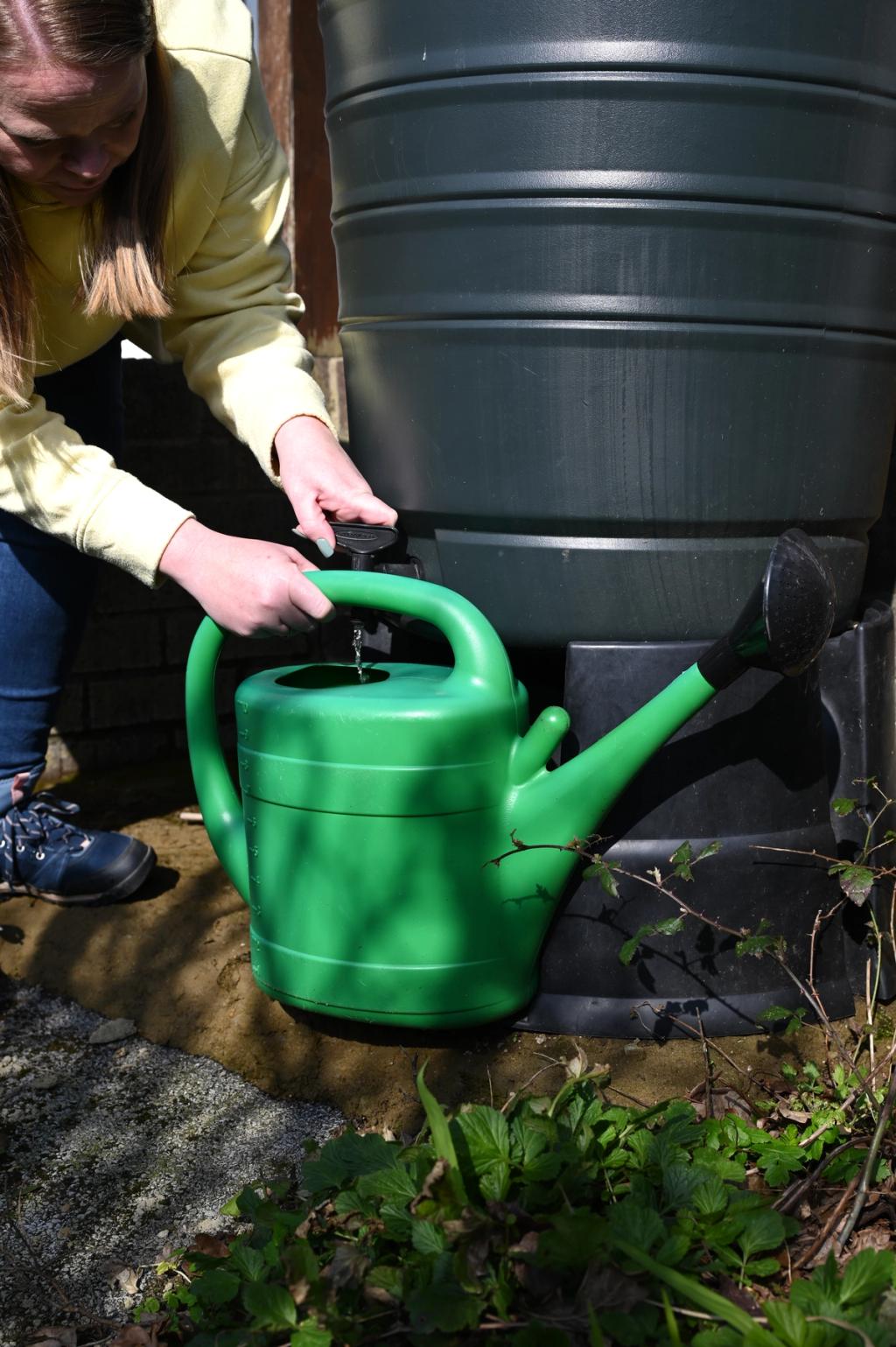
Protecting your supply
By reducing non-essential water use during peak heatwaves, you help ease the pressure on the network, ensuring there is enough water to go around for vital community services and domestic households.

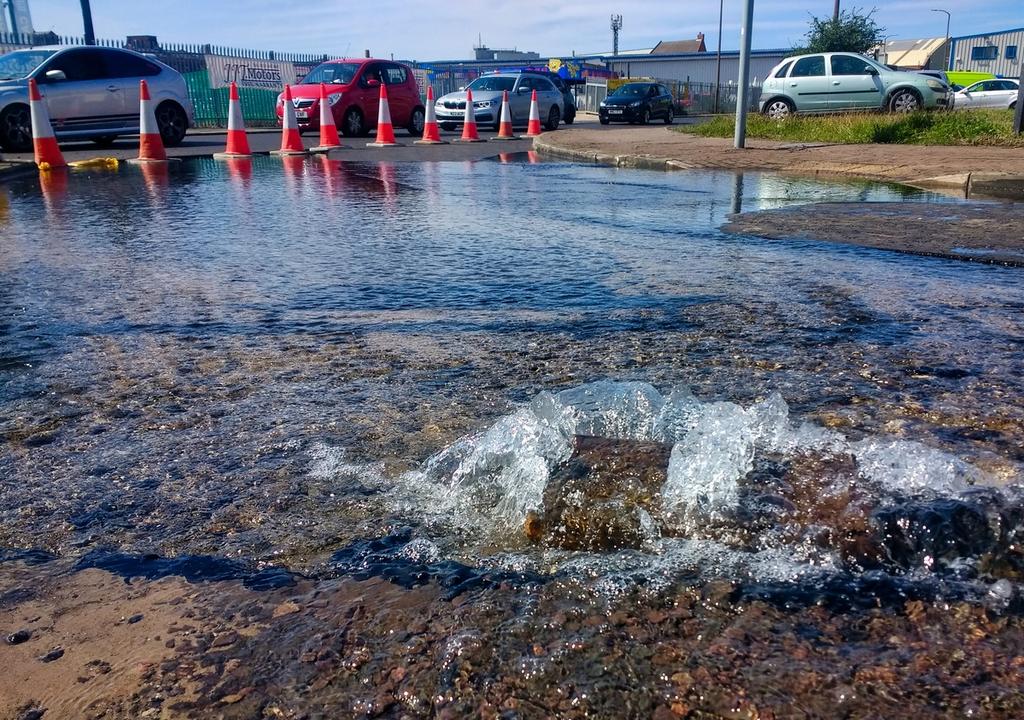
Preventing business disruption
When network demand outstrips supply, risks of low pressure or temporary supply interruptions increase. Strong water planning keeps your doors open and your operations running smoothly.

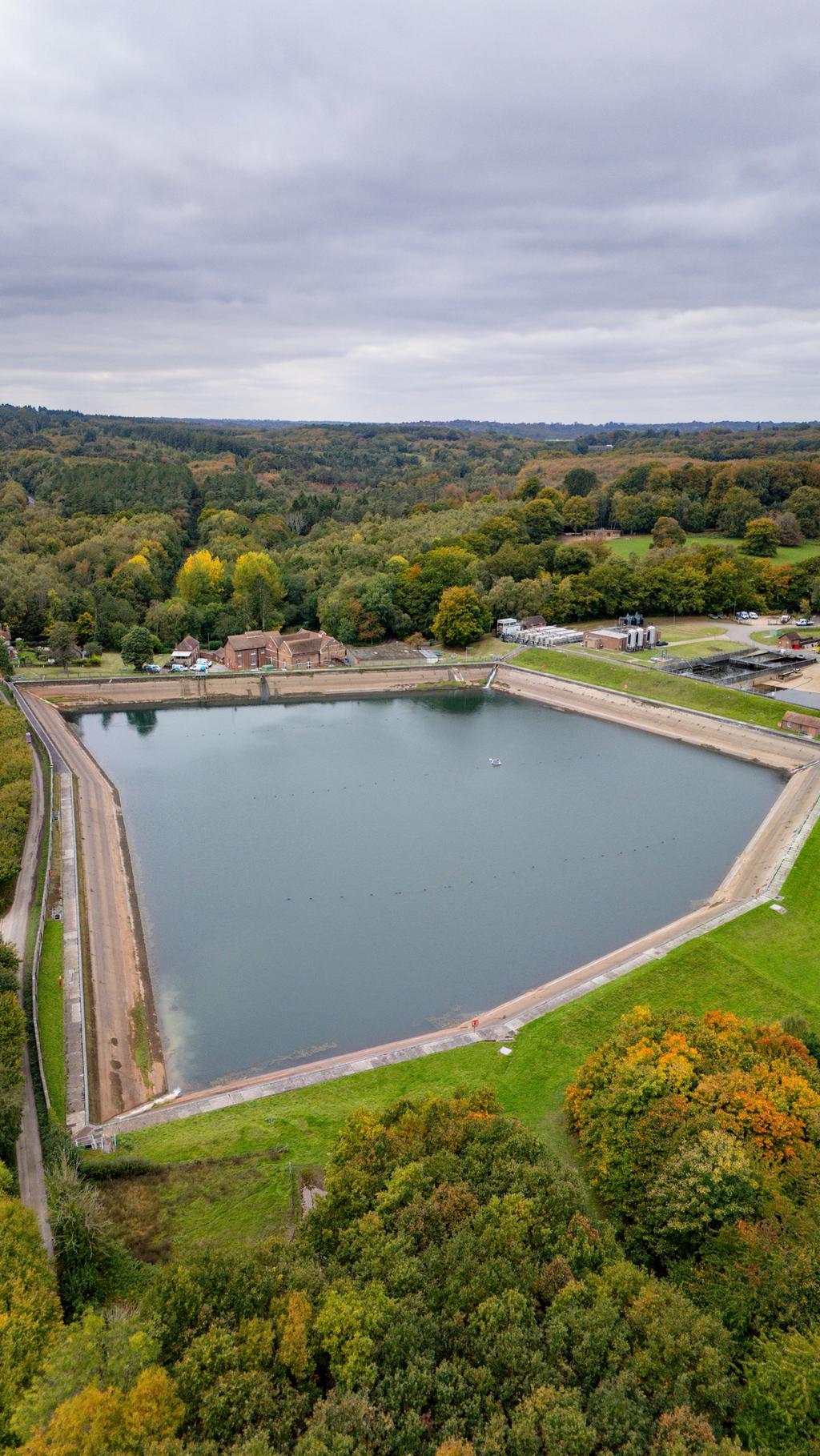
Long-term sustainability
Conserving water during high-demand months helps our local underground aquifers and reservoirs recover faster, securing your future operational water needs.
Practical steps to boost water resilience by sector
Integrating water-saving practices and preparing alternative options will safeguard your business. Below are actionable ways to build resilience across key industries:

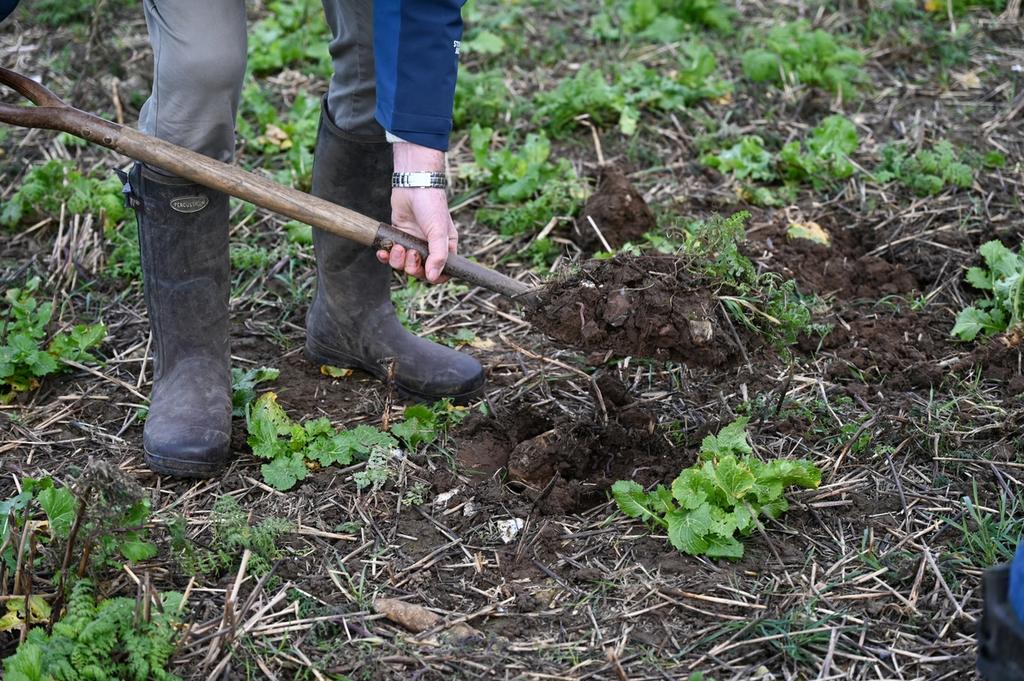
Agriculture and livestock
- Ensure your facility has on-site storage tanks or cisterns capable of holding at least a seven-day supply of water for livestock.
- Make sure you are familiar with our new livestock support policy, designed to provide prioritised emergency water assistance to farms during severe network stress to guarantee animal welfare.
- Regularly walk your supply lines and troughs. A hidden underground pipe leak can quickly drain resources and drive up your bills.


Hospitality (hotels, cafe’s, restaurants)
- Train kitchen and housekeeping staff on water-minimising techniques, such as using waterless cleaning methods where safe and only running dishwashers when completely full.
- Develop an emergency protocol that includes temporary sanitation solutions (like chemical toilets) so you can keep operating during short-term pressure drops.
- Place clear signage in guest bathrooms politely asking them to be mindful of shower times and linen reuse.

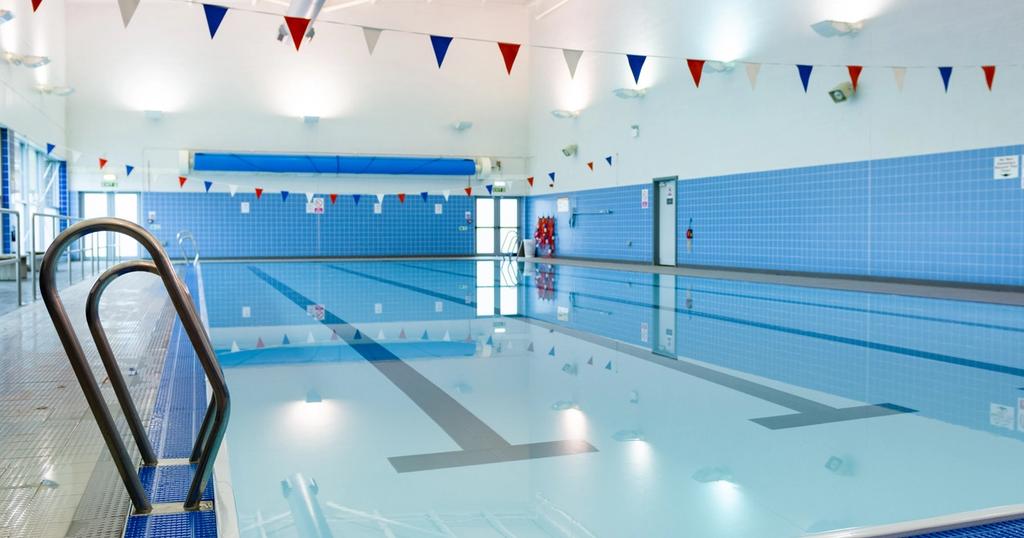
Leisure (gyms, leisure centres and sports facilities)
- Fit push-button timers or sensors on showers and basin taps to prevent them from being left running. Ensure low-flow showerheads are installed across all changing rooms.
- Keep swimming pools and hot tubs covered when not in use to dramatically reduce water loss through evaporation during hot weather.
- Clearly map out the absolute minimum water pressure required to keep changing rooms, showers, and toilets open safely, and have a backup plan for temporary water bowsers to keep essential facilities running.

Education (schools, colleges and universities)
- Maintain an accessible, safely stored stock of emergency drinking water for students and staff.
- Establish clear, rapid communication channels for parents, students, and staff in the event of local water pressure issues.
- Use school breaks or weekends to run “silent facility checks” to catch leaking school toilets, constantly running urinals, or dripping laboratory taps.

Horticulture
- Upgrade to highly efficient drip irrigation or soaker hoses rather than overhead sprinklers to eliminate evaporation loss during hot spells and promote the purchasing of drought-tolerant plants to customers.
- Always water during the coolest parts of the day (late evening or early morning) and delay any non-essential aesthetic watering.
- Invest in large-scale rainwater harvesting systems and surface water storage to reduce reliance on the mains network during dry spells.
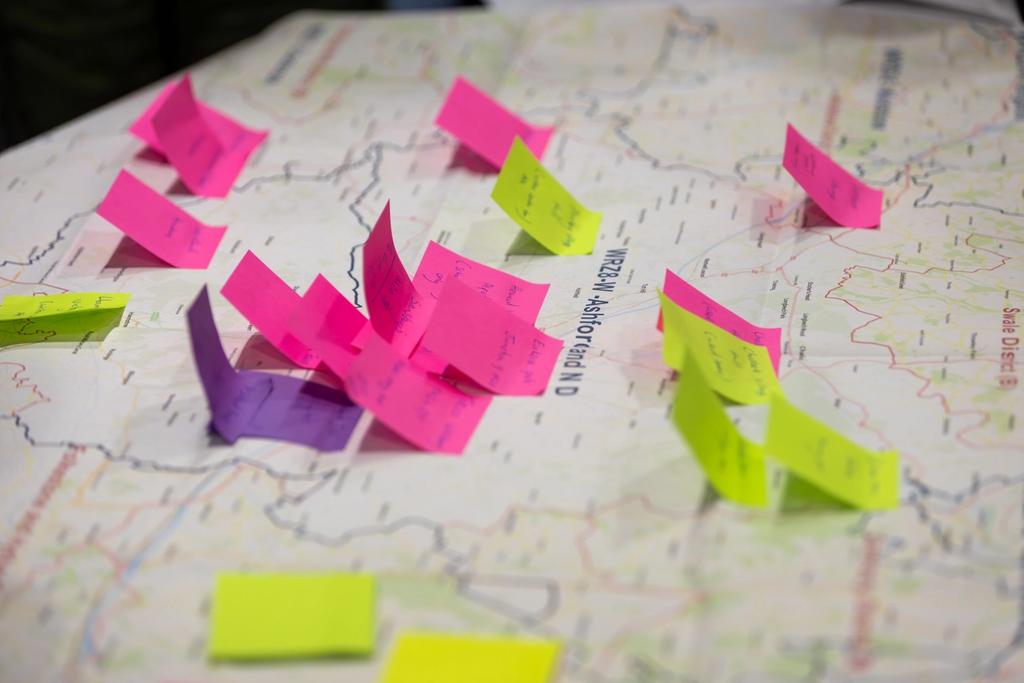
Arts, culture and community (museums, galleries, and community centres)
- For high-footfall event days, ensure staff are trained to monitor public restrooms regularly for running taps or continuously flushing toilets.
- If your venue features outdoor gardens, courtyards, or green spaces, swap out sprinklers for targeted drip-irrigation systems, or delay non-essential watering entirely during peak heat hours.
- Look into retrofitting rainwater harvesting units to collect water from large gallery or community hall roofs, which can be safely used for flushing public toilets or maintaining grounds.
Simple ways to save water and boost efficiency
Immediate shifts in your day-to-day operations can significantly lower your water footprint:
- Hunt down the “leaky loos”: Regularly check your commercial toilets. A single leaking toilet cistern can silently waste up to 400 litres of water a day. Take regular meter readings during closed hours to spot hidden spikes.
- Fit tap aerators and low-flow regulators: Installing inexpensive tap aerators and low-flow showerheads can cut your facility's water output by up to 50% without compromising on pressure for users.
- Switch to "eco" settings: Ensure all commercial washing machines and dishwashers are strictly run on full loads and set to their optimum water-saving eco cycles.
- Ditch the hosepipes: Swap out running hoses for buckets or high-efficiency trigger-nozzle pressure washers when cleaning vehicle fleets, paths, or outdoor spaces.